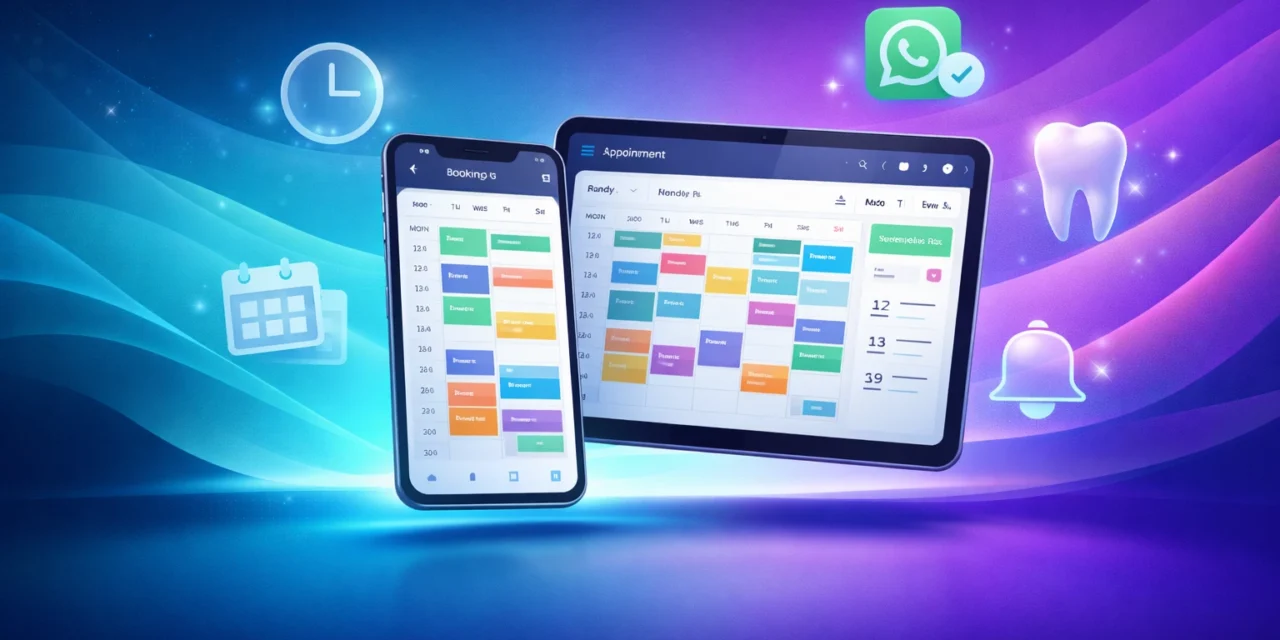
Appointment scheduling represents one of the most critical yet time-consuming aspects of dental practice management (smart booking for dentists). Traditional phone-based booking creates bottlenecks, limits accessibility, and often results in scheduling errors that disrupt practice flow.
The Evolution of Dental Scheduling
Dental practices have relied on phone calls and paper appointment books for decades. This approach worked adequately when patient volumes were manageable and expectations were different. Today’s patients expect the same digital convenience from their healthcare providers that they experience when booking restaurants, hotels, or other services.
DentalPro Cloud’s smart booking system brings dental practices into the digital age with features designed specifically for healthcare appointment complexity. Unlike generic scheduling tools, it understands procedure durations, equipment requirements, and provider specializations.
How Smart Booking Works
The foundation of intelligent scheduling lies in understanding your practice’s unique patterns and constraints. The system learns optimal appointment spacing based on procedure types, considering factors like room turnover time and equipment sterilization cycles.
Patients access online portals showing real-time availability. The interface displays open time slots while hiding internal operational details. This transparency empowers patients to choose convenient times without staff mediation for every appointment.
Integration with the comprehensive practice management platform ensures scheduling decisions consider all relevant factors. The system verifies insurance coverage, identifies returning patients, and flags special requirements before confirming bookings.
Patient Self-Service Benefits
Online booking eliminates the need for patients to call during limited business hours. Parents can schedule their children’s appointments after putting kids to bed. Working professionals can book during lunch breaks without phone tag frustration.
Self-service doesn’t mean removing the human element. Staff retain full control over the calendar and can manually adjust bookings when situations require personal judgment. The technology handles routine transactions, freeing team members for complex scheduling scenarios and patient relationship building.
The digital prescription system integrates with scheduling, automatically adding follow-up appointment suggestions when prescriptions require monitoring or treatment plans involve multiple visits.
Reducing No-Show Rates
No-shows represent significant revenue loss and schedule inefficiency. Smart booking attacks this problem through multiple strategies working in concert.
Automated reminders via WhatsApp communication channels reach patients through their preferred messaging platform. Unlike emails that disappear into cluttered inboxes, WhatsApp messages generate immediate notification alerts that capture attention.
The reminder sequence typically includes a confirmation request, allowing patients to reschedule with a few taps if conflicts arise. This proactive approach identifies potential no-shows days in advance, giving staff time to fill vacant slots.
Reminder frequency and timing adapt based on appointment type and patient history. New patients might receive more reminders than established patients with strong attendance records. Complex procedures get additional confirmation touches compared to routine cleanings.
Calendar Optimization Intelligence
Smart scheduling extends beyond booking individual appointments to optimizing entire daily schedules. The system suggests ideal appointment sequences that maximize productivity while maintaining quality care delivery.
Morning slots might prioritize longer procedures when staff energy levels peak. Shorter appointments fill afternoon gaps. Emergency buffers automatically reserve time slots for urgent cases without completely disrupting the schedule.
The modern dental practice approach recognizes that different procedures require varying amounts of post-appointment documentation and room preparation. Intelligent spacing accounts for these realities rather than treating all appointments as identical time blocks.
Multi-Provider Coordination
Practices with multiple dentists face additional scheduling complexity. Smart booking manages provider calendars simultaneously, considering each practitioner’s skills, preferences, and availability.
Patients can filter available appointments by preferred provider or accept the earliest available slot with any qualified dentist. This flexibility improves schedule density while respecting patient preferences when possible.
The system also coordinates hygienist appointments with dentist examination slots, ensuring necessary examinations occur during extended cleaning visits. This coordination reduces patient visits and improves schedule efficiency.
Integration with Clinical Workflows
Effective scheduling requires understanding clinical realities. The dental EMR integration ensures appointment booking considers treatment plans, medication schedules, and follow-up requirements.
When dentists recommend treatments requiring multiple visits, the system suggests appropriate appointment spacing based on clinical protocols. This guidance helps front desk staff schedule optimally even without deep clinical knowledge.
AI documentation features analyze treatment notes and automatically generate follow-up scheduling recommendations. If a dentist notes that a patient needs to return in three months, the system prompts staff to book that appointment before the patient leaves.
Family Scheduling Simplified
Families with multiple members needing dental care appreciate coordinated scheduling. Smart booking identifies family relationships and suggests grouped appointments that minimize trips to the office.
The system can search for time slots accommodating multiple family members sequentially or simultaneously across different providers. This capability significantly improves patient satisfaction for busy families.
Emergency and Last-Minute Appointments
Every dental practice needs flexibility for emergency cases and last-minute schedule changes. Smart booking maintains reserved slots for urgent situations while maximizing regular appointment density.
When cancellations occur, the system immediately notifies patients on waitlists who might fill those slots. Automated outreach happens within minutes of cancellation, dramatically improving the chance of filling otherwise wasted time slots.
Financial Benefits of Smart Scheduling
Improved scheduling efficiency directly impacts practice profitability. Reduced no-shows mean more productive hours and less wasted capacity. Better schedule density increases revenue per day without requiring additional staff or equipment.
The benefits of comprehensive practice management include financial analytics showing how scheduling improvements impact the bottom line. Practices can track metrics like appointment utilization rates, average no-show percentages, and revenue per hour over time.
Staff Satisfaction and Workflow
Front desk team members particularly appreciate smart booking’s impact on their daily work. Less time spent on phone scheduling means more time for patient check-in, insurance verification, and other high-value activities.
The stress of managing complex schedules decreases when technology handles routine optimization. Staff can focus on relationship building and problem-solving rather than calendar Tetris.
Getting Started with Smart Booking
Implementing intelligent scheduling requires initial setup configuring your practice’s specific parameters. Schedule a demonstration to see how customization addresses your unique scheduling challenges.
The full range of services includes implementation support, staff training, and ongoing optimization recommendations based on your practice’s scheduling data.
Conclusion
Smart booking transforms dental practice scheduling from a time-consuming administrative burden into a strategic advantage. Automation handles routine tasks, intelligence optimizes schedules, and patients enjoy unprecedented convenience. Practices adopting modern scheduling technology position themselves for improved efficiency, patient satisfaction, and financial performance in an increasingly competitive healthcare landscape.