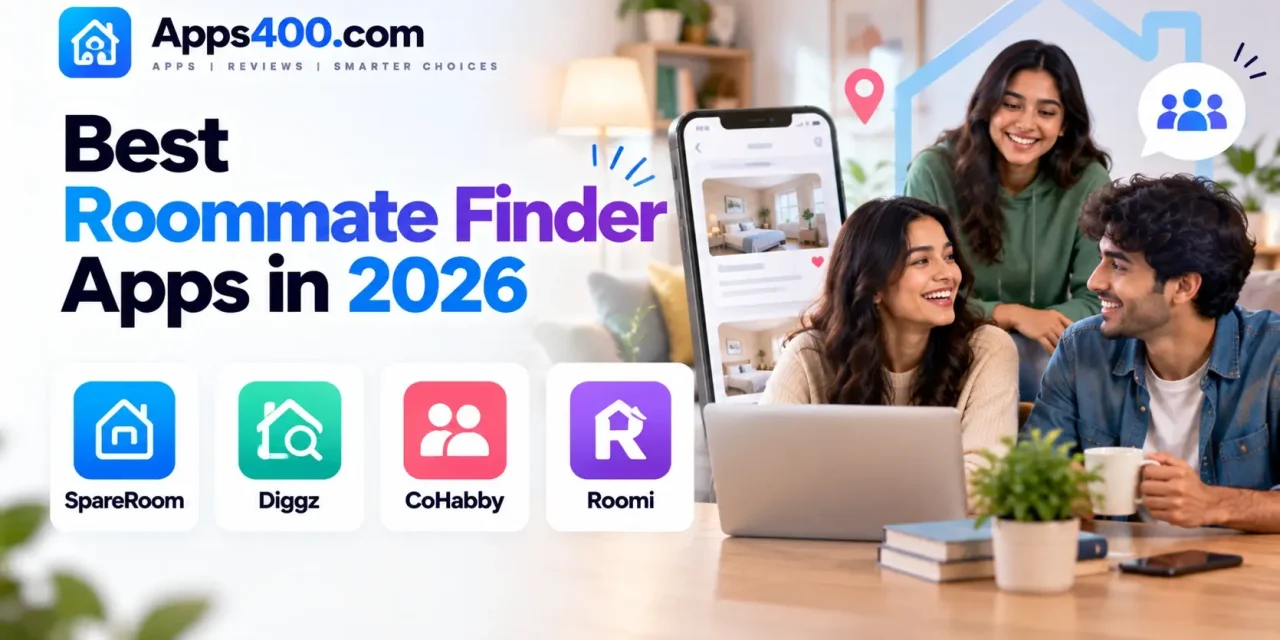
Finding a compatible roommate used to mean scrolling through Craigslist and hoping for the best, but a genuine ecosystem of dedicated apps has grown up specifically to add verification, compatibility matching, and safer messaging to the process. One important finding worth knowing upfront: the FTC won a $36.2 million judgment against Roomster in 2022 for buying more than 20,000 fake reviews to inflate its ratings, a genuinely serious red flag for a platform whose entire value proposition depends on trust. Here’s a look at what’s worth using instead this year.
SpareRoom
SpareRoom remains the largest roommate platform in the world, with more than 17 million registered users and a genuine claim to finding a roommate match every three minutes across its network. Its standout feature is a dedicated staff that manually screens every single ad posted on the platform, a real, human-verified layer of trust that automated systems alone don’t provide. Its Speed Flatmating events, modeled after speed dating, let users meet several potential roommates in person in a single evening, a genuinely useful feature for anyone who wants to gauge personal chemistry beyond a written profile before committing.
Diggz
Diggz has built a genuine reputation around thoughtful screening, offering more than 20 lifestyle filters covering schedule, cleanliness, and social habits, alongside in-app background checks that most competing roommate platforms skip entirely. Its filtering depth gets users meaningfully closer to an actual compatibility match than a simple keyword search, addressing the genuine problem that a roommate who merely has an open room isn’t necessarily a roommate worth actually living with. Its real limitations are worth knowing: it remains web-only with no native iOS or Android app, and its free tier caps messaging at just five conversations before requiring a paid upgrade.
Play Store: N/A | App Store: N/A | Visit Website
CoHabby
CoHabby takes a genuinely different approach, built specifically around a compatibility engine that produces a Synergy Score based on weighted answers across six lifestyle categories, giving users conversation context about potential fit rather than a bare listing to evaluate cold. This quiz-driven matching model appeals specifically to users who’ve been burned before by a roommate who looked fine on paper but turned out genuinely incompatible day to day, since it surfaces habit-level compatibility signals a simple listing can’t capture. For anyone specifically prioritizing genuine compatibility over sheer listing volume, it remains one of the more thoughtfully designed newer entrants in the category.
Roomi

Roomi remains operational across more than 200 cities worldwide with a genuine safety stack including ID and selfie verification, background checks, and 24/7 moderation, features that look solid on paper for a platform prioritizing user safety. It’s worth being honest about its real decline, though: reviewers in 2026 consistently note listings have grown thin in most markets compared to its stronger 2022 position, alongside reports of a buggy interface and reduced overall engagement. For users in a market where Roomi still has genuine active inventory, it remains a reasonably safe option, but it’s no longer the reliable default it once was.

Choosing between these four largely comes down to whether raw inventory, deep compatibility screening, or genuine safety verification matters most. Anyone searching in a major metro area who wants the widest possible pool of listings should start with SpareRoom’s massive, staff-verified network, while users who specifically want deep lifestyle compatibility filtering should prioritize Diggz or CoHabby despite Diggz’s web-only limitation. Whatever platform gets chosen, it’s worth remembering the Roomster FTC judgment as a genuine cautionary example: a roommate platform runs entirely on trust, and a company caught faking the reviews users rely on to judge that trust deserves real skepticism regardless of its raw download count.
Conclusion
Finding a genuinely compatible roommate has become considerably safer and more structured than the old Craigslist gamble, provided the platform chosen actually earns the trust its business model depends on. Whichever of these four ends up fitting a specific city and search, the underlying payoff remains the same: a housemate chosen through genuine screening rather than sheer luck.