You’ve invested months building the perfect mobile app, but downloads remain disappointingly low. The harsh reality? Without effective app store optimization, even exceptional apps get lost among millions of competitors. Your brilliant creation deserves to be discovered, and mastering ASO is the key to unlocking organic growth and sustainable success.
App stores have evolved into search engines where users actively hunt for solutions to their problems. Just as websites compete for Google rankings, apps battle for visibility in the App Store and Google Play. The good news? App store optimization is a learnable skill that dramatically increases your app’s discoverability without spending thousands on paid advertising.
What is App Store Optimization and Why It Matters
App store optimization encompasses the strategies and techniques used to improve your app’s visibility in app store search results and increase conversion rates from browsers to downloaders. Think of it as SEO specifically designed for mobile applications—getting your app in front of the right users at the precise moment they’re searching for solutions you provide.
The stakes couldn’t be higher. Research indicates that 65% of all app downloads come from app store searches, making ASO your primary organic acquisition channel. Users who discover apps through search demonstrate higher engagement and retention rates compared to those acquired through paid advertising, making app store optimization both cost-effective and quality-focused.
Unlike traditional marketing that requires continuous spending, ASO delivers compounding returns. Once your app achieves strong rankings for relevant keywords, it continues attracting users organically. This sustainable approach to growth is why successful iOS apps and Android applications prioritize optimization from day one.
“Apps ranking in the top three positions for their primary keywords receive 65% more organic downloads than those ranking outside the top ten, demonstrating the exponential value of strategic app store optimization.”
Understanding App Store Algorithms
Both Apple’s App Store and Google Play use sophisticated algorithms to determine which apps appear for specific searches. While the exact formulas remain proprietary, understanding key ranking factors empowers you to optimize strategically rather than guessing.
Keyword relevance forms the foundation of app store optimization. The algorithms analyze your app’s title, subtitle, description, and keyword field (iOS) to determine which searches your app should appear for. However, keywords alone don’t guarantee rankings—user behavior signals like download velocity, ratings, reviews, and engagement metrics significantly influence your position.
The algorithms also consider your app’s category, recency of updates, and performance metrics. Apps that crash frequently or receive negative reviews see their rankings deteriorate regardless of keyword optimization. This holistic approach means app store optimization extends beyond metadata into creating genuinely valuable apps that users love.
The Difference Between App Store and Google Play ASO
While the core principles of app store optimization remain consistent across platforms, Apple and Google implement different rules and weight factors differently. Apple’s App Store provides a dedicated 100-character keyword field where you list relevant terms separated by commas, while Google Play indexes keywords from your app’s description.
Google Play allows longer titles (30 characters versus Apple’s 30) and places heavier emphasis on your description’s content. Apple’s algorithm weighs your app title most heavily, making title optimization crucial for iOS apps. Understanding these platform-specific nuances ensures your ASO strategy aligns with each store’s unique requirements.
Keyword Research: The Foundation of App Store Optimization
Effective keyword research separates successful app store optimization from wasted effort. You need to identify terms your target users actually search for, assess competition levels, and prioritize keywords offering the best opportunity for ranking and conversions.
Start by brainstorming seed keywords—terms directly describing your app’s core functionality. If you’ve built a fitness tracking app, seeds might include “workout tracker,” “fitness app,” “exercise log,” and “calorie counter.” These obvious terms rarely suffice alone, as they typically face intense competition.
Expand your list using keyword research tools like Sensor Tower, data.ai (formerly App Annie), or MobileAction. These platforms reveal search volume, difficulty scores, and which competitors rank for specific terms. Focus on finding that sweet spot between decent search volume and achievable ranking difficulty based on your app’s age and current authority.
Long-Tail Keywords: Your Secret Weapon
Long-tail keywords—more specific, multi-word phrases—often deliver better results than generic terms in app store optimization. While “fitness app” attracts massive searches, it faces overwhelming competition. “Home workout plan for beginners” has lower volume but higher conversion intent and achievable rankings.
Users searching long-tail terms know exactly what they want, meaning they’re more likely to download and actively use apps that match their specific needs. This precision targeting improves your download-to-active-user ratio, which positively influences your app store rankings. Building a portfolio of long-tail keyword rankings creates a stable foundation for organic growth.
Optimizing Your App Metadata for Maximum Visibility
Once you’ve identified target keywords, strategically incorporating them into your app’s metadata becomes crucial for app store optimization success. Every element—from your title to your promotional text—offers opportunities to improve rankings while maintaining user appeal.
App Title Optimization
Your app title carries the most weight in ranking algorithms, making it your most valuable real estate for app store optimization. Include your primary keyword naturally within the title, but maintain readability and brand identity. Generic keyword-stuffed titles like “Fitness Workout Exercise Tracker App” look spammy and hurt conversion rates.
Successful titles balance keyword inclusion with brand memorability. “FitTrack: Workout & Calorie Counter” incorporates relevant keywords while maintaining a distinctive brand presence. Test different title variations to find the optimal balance between search visibility and conversion performance.
Crafting Compelling Descriptions
Your app description serves dual purposes in app store optimization: feeding keywords to the algorithm (particularly crucial for Google Play) and convincing humans to download. Structure descriptions with clear formatting, bullet points highlighting key features, and natural keyword integration throughout.
Front-load your description with the most compelling information—users rarely read beyond the first few lines before deciding. Include secondary and long-tail keywords naturally within feature descriptions rather than awkwardly forcing terms where they don’t belong. Authenticity always trumps keyword density.
For apps looking to enhance their marketing reach beyond organic optimization, partnering with experts who provide comprehensive app store optimization services can accelerate your growth through data-driven strategies, A/B testing, and proven methodologies that maximize your app’s potential in both major app stores.
“Apps that update their metadata and visual assets every 30-45 days see 23% higher ranking stability compared to apps that remain static, as frequent updates signal active development and relevance to app store algorithms.”
Visual Assets That Convert Browsers into Downloaders
While keywords get users to your app page, visual assets determine whether they actually download. Your icon, screenshots, and preview video must instantly communicate your app’s value proposition in app store optimization strategy.
App Icon Design
Your icon is often the first impression users have of your app. It appears in search results, category browsing, and on users’ home screens post-download. Effective icons are simple, memorable, and clearly convey your app’s purpose at small sizes.
Avoid cluttered designs with tiny text that becomes illegible when scaled down. Test your icon at actual display size on various devices to ensure it remains distinctive and recognizable. Colors should stand out from common competitors while aligning with your brand identity. Tools like Canva or Adobe Illustrator help create professional app icons.
Screenshot Optimization
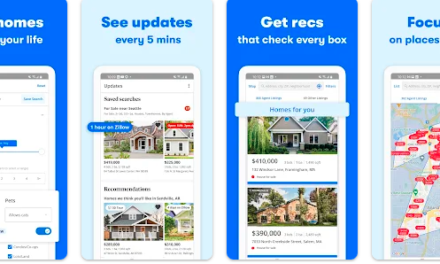
Screenshots represent your primary opportunity to showcase functionality and benefits in app store optimization. Most users make download decisions based on the first 2-3 screenshots without scrolling further, so prioritize your strongest value propositions upfront.
Add text overlays highlighting key features and benefits rather than simply displaying interface screens. Show your app solving real problems users face. Include social proof like awards, user testimonials, or impressive statistics when relevant. A/B test different screenshot sequences to identify which combinations drive the highest conversion rates.
Ratings and Reviews: The Social Proof That Drives Rankings
User ratings and reviews profoundly impact both app store optimization rankings and conversion rates. Apps with higher ratings appear more frequently in search results and featured placements, while strong reviews convince hesitant users to download.
Actively encourage satisfied users to rate your app, but do so thoughtfully. Prompt users after they’ve experienced meaningful value rather than immediately upon first opening the app. Time your requests strategically—after completing a workout, finishing a level, or accomplishing a task—when positive emotions run high.
Respond to reviews, both positive and negative. This engagement demonstrates you care about user experience and can transform frustrated users into advocates. Addressing negative feedback publicly shows potential downloaders that you actively improve your app based on user input, building trust and credibility.
Managing Negative Reviews
Negative reviews inevitably occur, but how you handle them influences your app store optimization success. Respond promptly and professionally, never defensively. Acknowledge issues, explain fixes you’re implementing, and invite users to update their review after improvements launch.
Many users modify negative reviews to positive ones when developers demonstrate genuine commitment to resolving problems. This responsiveness not only improves your rating but signals to the algorithm that your app maintains active support and development.
Localization: Expanding Your App’s Global Reach
Localizing your app store optimization strategy for different markets exponentially increases your potential audience. Translation alone isn’t sufficient—you must research keywords, cultural preferences, and visual aesthetics specific to each target market.
Keywords that work in English may not translate directly to effective search terms in other languages. Spanish-speaking users might search for different terms than direct translations from English. Conduct market-specific keyword research and optimize metadata for each language you support.
Consider localizing not just text but also screenshots and preview videos. Cultural preferences vary regarding design aesthetics, color symbolism, and persuasive elements. Apps that invest in thoughtful localization often see dramatic increases in downloads from international markets, sometimes exceeding their domestic performance.
Success Stories: Real Apps Winning with ASO
Learning from successful examples demonstrates the power of effective app store optimization. Consider Duolingo, which dominates language learning app searches through strategic keyword targeting, engaging screenshots showcasing the gamification experience, and consistent 4.7+ star ratings maintained through excellent user experience.
Fitness app MyFitnessPal leverages comprehensive keyword coverage across nutrition, fitness, and health-related terms, combined with clear value communication through screenshots demonstrating the massive food database. Their approach to app store optimization has helped them maintain top rankings despite intense competition.
Productivity tool Notion excels at ASO by targeting both broad terms like “notes” and specific long-tail keywords like “team wiki software.” Their screenshots effectively communicate the app’s flexibility through visual examples of different use cases, converting browsers into users.
Frequently Asked Questions About App Store Optimization
How long does it take to see results from app store optimization?
Initial improvements from app store optimization typically appear within 2-4 weeks after implementing changes. However, significant ranking improvements and increased organic downloads generally require 2-3 months of consistent optimization. Newer apps face steeper challenges as they lack historical performance data, while established apps with existing reviews and downloads see faster results from ASO improvements.
Should I optimize for App Store or Google Play first?
Optimize for both platforms simultaneously if possible, as app store optimization fundamentals remain consistent. If you must prioritize, consider where your target audience predominantly downloads apps. iOS users in developed markets often spend more on apps, while Android dominates in emerging markets. Your decision should align with your monetization strategy and geographic focus.
Can I change my app’s keywords after launch?
Absolutely. In fact, successful app store optimization requires ongoing keyword refinement. Monitor which keywords drive downloads and engagement, then adjust your strategy accordingly. Apple allows keyword updates with each app version submission, while Google Play indexes your description continuously. Regular optimization based on performance data yields better long-term results than “set it and forget it” approaches.
How many keywords should I target?
Quality trumps quantity in app store optimization. Focus on 5-10 highly relevant primary keywords initially, then expand to secondary and long-tail variations as your app gains traction. Attempting to rank for too many unrelated keywords dilutes your efforts and confuses algorithms about your app’s true purpose. Concentrated optimization for relevant terms outperforms scattered approaches every time.
Does app store optimization work for all app categories?
Yes, though strategies vary by category. Games face intense competition but benefit from visual appeal and engaging screenshots. Utility apps require clear value proposition communication. Productivity apps should emphasize time-saving benefits. While app store optimization principles apply universally, tailoring your approach to category-specific user expectations and search behaviors maximizes effectiveness.
Advanced App Store Optimization Strategies
Once you’ve mastered fundamental app store optimization tactics, advanced strategies can further amplify your results. A/B testing different metadata variations helps identify which combinations drive optimal performance. Tools like StoreMaven and SplitMetrics offer testing capabilities for icons, screenshots, and descriptions.
Track your rankings daily for target keywords using specialized ASO tools. Monitor competitors’ strategies, noting when they update metadata or launch promotional campaigns. This competitive intelligence informs your own optimization decisions and helps you capitalize on opportunities when competitors stumble.
Consider seasonal optimization for app store optimization. Many app categories experience predictable seasonal trends—fitness apps surge in January, tax apps peak in spring, and educational apps climb before school years begin. Adjust your keywords and visual assets to align with these patterns, maximizing visibility when search volume peaks.
Measuring Your App Store Optimization Success
Effective app store optimization requires consistent measurement and iteration. Track keyword rankings, impression share, conversion rates, and organic download velocity. These metrics reveal which optimizations work and where opportunities for improvement exist.
Pay particular attention to impression-to-download conversion rates. High impressions with low downloads indicate your keywords attract the wrong audience or your visual assets fail to convince browsers. Low impressions despite strong conversion rates suggest keyword targeting issues—you’re converting well but not reaching enough potential users.
Compare your performance against category benchmarks and direct competitors. Understanding where you stand within your competitive landscape helps set realistic goals and identifies areas requiring immediate attention. For comprehensive insights into emerging trends that may affect your strategy, explore the latest innovations in mobile applications shaping user expectations.
Integrating ASO with Broader Mobile Marketing
While app store optimization drives organic growth, it works best as part of a comprehensive mobile marketing strategy. Paid user acquisition through Apple Search Ads or Google App Campaigns can accelerate initial traction, which then improves organic rankings through increased download velocity and engagement signals.
Content marketing through blogs, videos, and social media builds awareness and drives traffic to your app store page. If you’re developing specialized applications, understanding niche markets like healthcare app development can inform both your ASO keyword strategy and broader marketing messaging.
Email marketing to existing users encouraging reviews and referrals amplifies your ASO efforts organically. Influencer partnerships and PR coverage drive external traffic that converts at higher rates than cold audiences, signaling quality to app store algorithms and boosting rankings.
The Future of App Store Optimization
As app stores evolve, app store optimization strategies must adapt accordingly. Machine learning increasingly influences ranking algorithms, weighing user engagement patterns more heavily than static metadata. Apps that drive genuine value and engagement will continue rising in rankings regardless of keyword tactics.
Voice search and AI-powered recommendations are reshaping discovery patterns. Users increasingly rely on personalized suggestions rather than manual searching, making engagement metrics and user satisfaction more critical than ever. The future of ASO lies in creating exceptional apps that algorithms want to recommend, not gaming systems with keyword tricks.
Start implementing these app store optimization strategies today, but remember that ASO is a marathon, not a sprint. Consistent refinement based on data, user feedback, and evolving best practices builds sustainable organic growth. Your app’s success depends not on a single optimization but on your commitment to ongoing improvement and user-focused development.
Ready to transform your app’s visibility? Begin with thorough keyword research, optimize your metadata and visuals, actively manage ratings and reviews, and measure everything. The apps dominating download charts didn’t get there by accident—they employed strategic app store optimization to ensure their target users could find them. Your app deserves the same opportunity to shine.