Traditional search still hands you a list of links and expects you to do the reading yourself, while Perplexity takes a fundamentally different approach, reading the sources for you and delivering a direct, cited answer instead. That shift has turned Perplexity from a niche AI experiment into a genuine daily habit for a growing number of users who’ve gotten tired of scrolling past ads and SEO-optimized filler just to find a simple answer. The company has continued expanding its feature set well beyond basic search, adding tools that push it closer to a full research assistant than a simple query box. We spent several weeks using Perplexity as a primary search tool to see whether it genuinely holds up as a replacement, or just a clever supplement, to traditional search in 2026.
Answer Quality and Citations
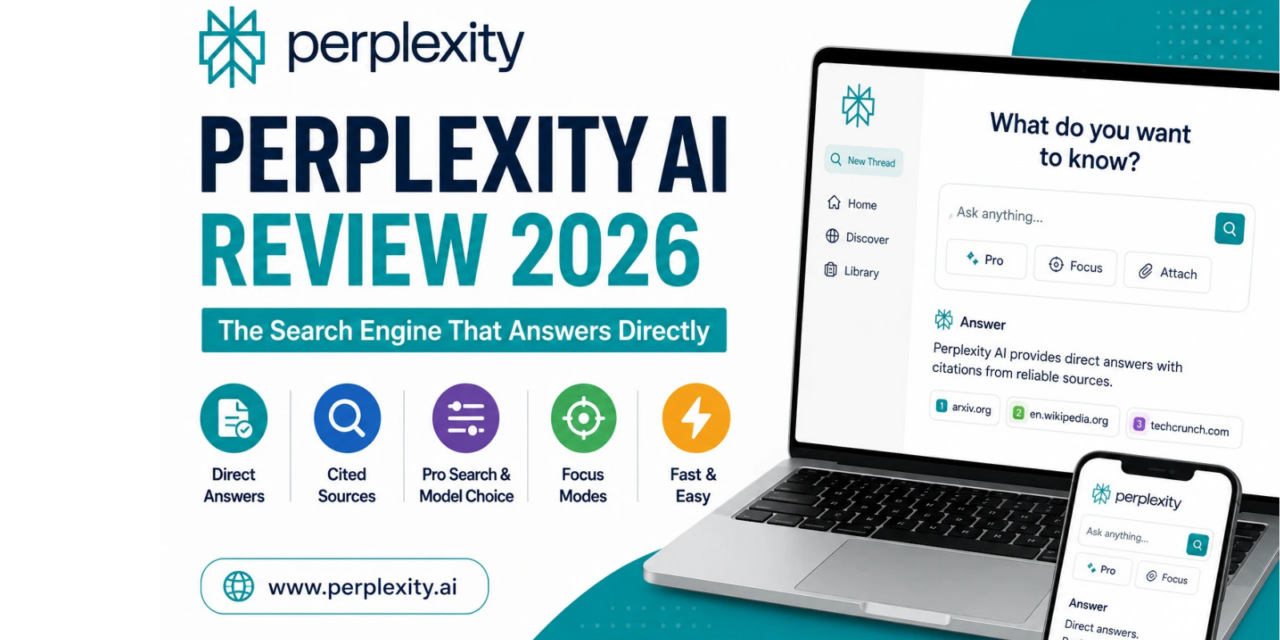
Perplexity’s core strength remains its ability to synthesize an answer from multiple sources and show exactly which source supports each claim, letting users verify information rather than blindly trusting an AI-generated summary. This transparency is genuinely rare among AI tools and remains Perplexity’s biggest trust advantage over competitors.
Pro Search and Model Selection
Perplexity Pro lets users choose between different underlying AI models for a given query, which matters for users who’ve noticed certain models handle technical or creative questions better than others. This flexibility is a genuinely unique feature not commonly found in competing AI search tools.
Focus Modes
Focus modes let users narrow searches specifically to academic papers, Reddit discussions, or YouTube content, which genuinely improves relevance for specific types of research compared to a generic, one-size-fits-all search approach.
Speed and Everyday Usability
Perplexity’s interface stays clean and fast, with follow-up questions handled conversationally so users can refine a search without starting over, a meaningfully smoother experience than repeatedly reformulating queries in traditional search.
Where Traditional Search Still Wins
For highly local queries, real-time data like stock prices, or simply browsing without a specific question in mind, traditional search interfaces still feel more natural, and Perplexity hasn’t fully replaced that kind of open-ended browsing behavior.
🔗 Download on Play Store | www.perplexity.ai
Is Perplexity Actually Replacing Google for Most People
The honest answer is partially, Perplexity has genuinely captured a meaningful share of research-heavy and question-based searches, the kind where a direct, well-cited answer beats scrolling through multiple pages trying to piece together information yourself. But for shopping, local business discovery, and casual browsing, traditional search engines still offer a more mature, purpose-built experience that Perplexity hasn’t fully replicated yet. Most heavy users we observed during testing ended up running both side by side, Perplexity for genuine research questions, and traditional search for everything else, rather than fully abandoning one for the other.
Perplexity earns its growing reputation by doing one thing genuinely well, turning a search into a direct, sourced answer instead of a pile of links to sort through yourself. It’s worth trying as a genuine daily driver for at least a week before judging whether it fits your habits, the shift from clicking through results to reading a synthesized answer takes some adjustment but tends to stick once it clicks. Pay attention to which types of questions you keep returning to traditional search for, that pattern usually reveals exactly where Perplexity genuinely fits into your routine and where it doesn’t. Give it a genuine chance on research-heavy questions specifically, that’s where the gap between it and traditional search feels most obvious in practice.