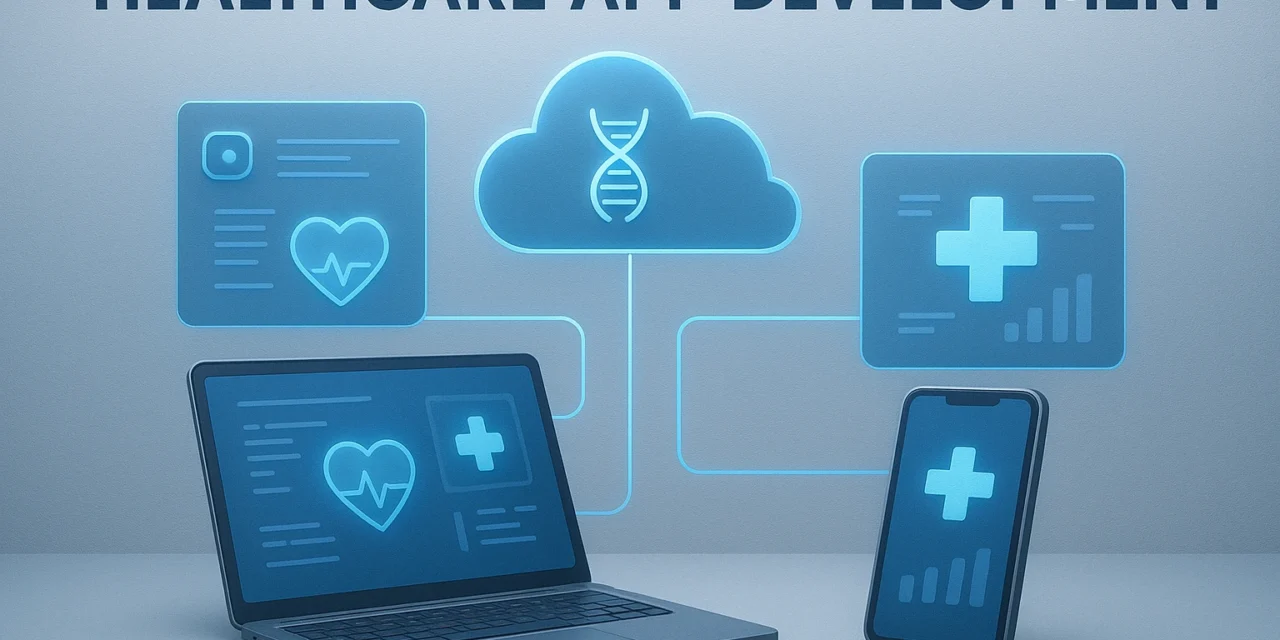
The healthcare app development landscape has evolved to include highly specialized technical expertise required for different medical sectors, treatment types, and healthcare delivery models. Understanding these specialization areas is crucial for creating successful medical applications that meet both technical standards and clinical requirements.
Complex Treatment Management Development
Developing applications for multi-stage medical treatments requires specialized expertise in workflow orchestration, data synchronization, and stakeholder communication systems. These projects demand deep understanding of clinical processes combined with advanced software architecture skills.
Complex treatment management apps represent some of the most technically challenging healthcare development projects, requiring integration between patient interfaces, provider systems, and external services. Applications managing procedures such as dental bridge services in singapore must coordinate between dental practices, laboratory systems, and patient communication platforms while maintaining real-time synchronization and comprehensive audit trails.
Premium Healthcare App Development
Creating applications for high-end healthcare markets requires specialized design expertise that balances sophisticated functionality with elegant user experiences. These projects demand attention to visual design, performance optimization, and seamless integration with premium healthcare systems.
Premium healthcare app development focuses on creating sophisticated experiences that meet the expectations of discerning users seeking exceptional medical services. Development teams working on platforms for Orchard dental singapore services must combine advanced technical capabilities with refined user experience design, ensuring that digital interactions match the quality standards of premium healthcare delivery.
Government Healthcare Integration Development
Healthcare applications that integrate with government programs require specialized expertise in regulatory compliance, accessibility standards, and public sector technology integration. These projects must balance complex requirements with user-friendly interfaces for diverse populations.
Government healthcare app development presents unique technical challenges including compliance verification, benefit processing, and accessibility across diverse user populations. Development teams creating applications for CHAS Dental Clinic in Orchard services must implement sophisticated eligibility verification systems while maintaining simple, accessible user interfaces for all eligible patients.
Provider Matching System Development
Creating effective healthcare provider matching systems requires specialized expertise in algorithm development, data analysis, and user behavior modeling. These platforms must process multiple variables to create optimal patient-provider connections while maintaining system performance.
Provider matching app development combines complex algorithm design with intuitive user interface creation, requiring specialized expertise in both backend data processing and frontend user experience. These systems help patients efficiently locate appropriate healthcare professionals, such as finding a qualified Dentist in Orchard who meets specific criteria, while maintaining fast response times and accurate matching results.
Emerging Healthcare Technology Integration
Healthcare app development increasingly requires expertise in emerging technologies including artificial intelligence, machine learning, and advanced analytics. Development teams must stay current with rapidly evolving healthcare technology trends while maintaining security and compliance standards.
The healthcare app development field continues to evolve rapidly, requiring specialized technical expertise and deep understanding of healthcare workflows. Success in this sector depends on combining cutting-edge technology skills with comprehensive knowledge of medical practice requirements, regulatory compliance, and user experience design principles that serve both patients and healthcare providers effectively.