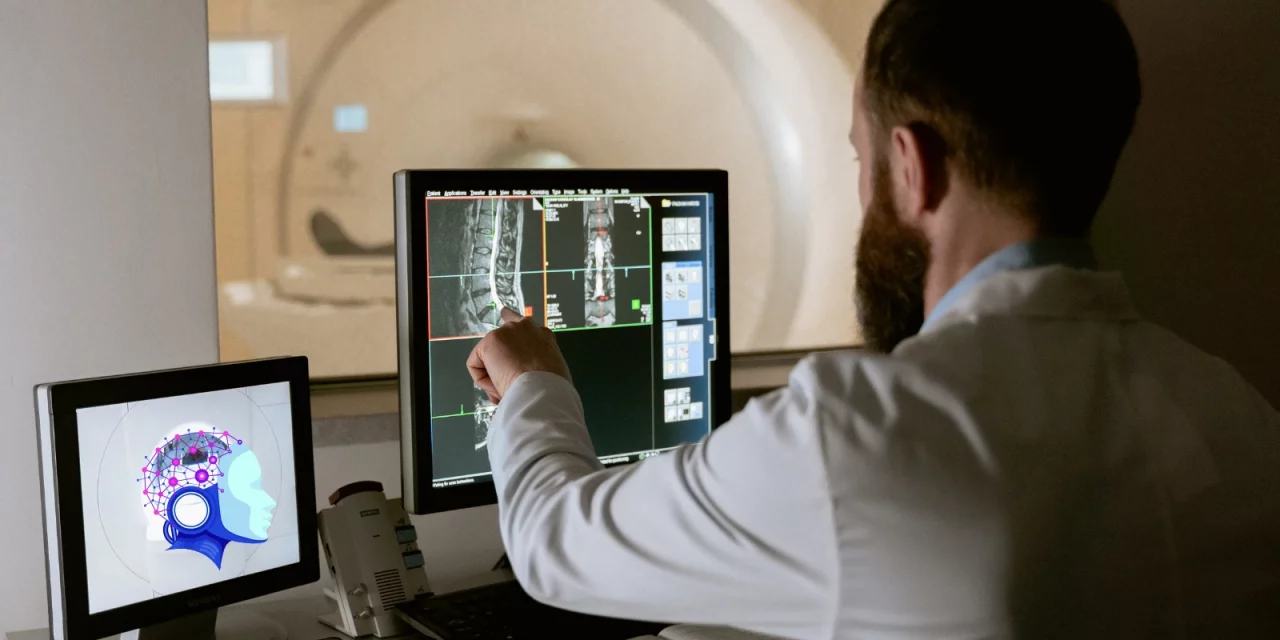
Artificial Intelligence (AI) has emerged as a cornerstone in the digital transformation of healthcare, especially in the realm of diagnostics. By 2025, AI medical diagnosis apps have evolved beyond mere symptom checkers to become integral tools in clinical decision-making, early detection, remote care, and personalized treatment plans. These apps leverage vast datasets, deep learning, and real-time analytics to provide medical professionals and patients with reliable insights and recommendations. This in-depth guide explores the top 30 AI medical diagnosis apps shaping the future of healthcare in 2025 and explains how each contributes to a smarter, more responsive healthcare system.
Why AI Diagnosis Apps Matter in 2025
The global healthcare ecosystem faces challenges such as a shortage of medical professionals, increasing chronic disease burdens, and rising healthcare costs. AI medical diagnosis apps address these by:
- Enhancing diagnostic accuracy and consistency
- Reducing the time to diagnosis
- Providing scalable healthcare solutions for remote and rural areas
- Enabling data-driven clinical decisions
- Integrating seamlessly with telehealth and EMR systems
With advancements in machine learning, natural language processing (NLP), computer vision, and real-time data analytics, these apps are now capable of outperforming traditional diagnostic workflows in several domains.
In-Depth Look at the Top 30 AI Medical Diagnosis Apps of 2025
1. DeepMind Health AI (Google)
A global leader in predictive diagnostics, DeepMind‘s platform now assists hospitals in predicting acute kidney injury, sepsis, and patient deterioration in ICUs. Integrated with Google Cloud, it uses real-time EHR data and neural networks to make life-saving predictions hours before traditional methods.
2. IBM Watson Health Insights
Watson’s AI models have expanded to support rare disease diagnostics, treatment planning in oncology, and chronic disease management. Its improved NLP capabilities analyze physician notes, medical journals, and patient histories to suggest clinical pathways.
3. PathAI
This AI-powered pathology tool delivers highly accurate digital pathology reads for cancer and infectious diseases. In 2025, PathAI is used in over 300 pathology labs globally and helps standardize pathology reports across institutions.
4. Qure.ai
Specializing in radiology, Qure.ai now supports brain CT analysis, lung screenings, and TB detection using AI. Its tools are FDA-cleared and used in mobile diagnostics vans in emerging countries, bridging healthcare access gaps.
5. Aidoc
Aidoc‘s AI triage platform automatically detects conditions like pulmonary embolism, brain hemorrhages, and spine fractures. Integrated with PACS systems, it expedites radiologist workflows and reduces diagnostic errors.
6. Butterfly iQ+ with AI Assist
This portable ultrasound device transforms smartphones into diagnostic tools. AI now aids in scanning quality control, organ identification, and anomaly flagging. It’s popular among rural clinics and emergency responders.
7. Zebra Medical Vision
With over 60 FDA-cleared algorithms, Zebra is a diagnostic powerhouse. In 2025, it aids in the detection of osteoporosis, cardiovascular anomalies, and liver conditions, pushing early diagnosis into primary care workflows.
8. Lunit INSIGHT
Lunit’s imaging AI is optimized for oncology and pulmonology. It analyzes mammograms, chest X-rays, and pathology slides to detect cancer and chronic lung conditions with high sensitivity.
9. Arterys
Arterys uses cloud-based AI for cardiac MRI, chest CT, and brain imaging. With multi-modal image interpretation and collaborative analytics, Arterys is trusted in large hospital networks for faster, more accurate diagnostics.
10. K Health
A hybrid model of AI + doctor support, K Health leverages millions of anonymized patient records to deliver personalized diagnosis via chat. Its accuracy and user-friendliness have made it a preferred app for primary care in 2025.
11. Infermedica
This AI engine powers pre-diagnosis and triage tools for hospitals and insurers. It uses structured interviews, symptom logic trees, and clinical validation to determine the most likely conditions and recommended next steps.
12. Sensely
Featuring virtual nurse avatars, Sensely supports chronic care management, insurance onboarding, and post-hospitalization follow-ups with multilingual voice-enabled AI and patient monitoring integration.
13. VisualDx
With an unmatched library of medical images, VisualDx is the go-to app for skin, oral, and ocular diagnostics. It offers differential diagnosis support based on visual pattern recognition and AI-driven matching.
14. Buoy Health
Combining medical AI and behavioral health tracking, Buoy offers intuitive symptom checkers and navigates users toward appropriate care, from self-treatment to ER visits.
15. Ada Health
Ada combines a knowledge graph with machine learning to give highly accurate symptom assessments. In 2025, its integration with Apple Health and wearable sensors has enhanced real-time diagnostics.
16. Tempus One
Designed for precision oncology, Tempus One uses AI to analyze clinical and genomic data for personalized cancer treatments. It supports oncologists with recommendations based on real-world evidence and trial data.
17. IDx-DR 2.0
This FDA-approved diagnostic platform screens for diabetic retinopathy without the need for an eye specialist. Upgraded in 2025, it now detects macular edema and early-stage glaucoma.
18. SkinVision
Using smartphone photos, SkinVision screens skin lesions for melanoma and other skin cancers. Newer AI models have reduced false positives and improved detection for darker skin tones.
19. Binah.ai
A contactless vital signs monitor, Binah.ai analyzes facial video for heart rate, oxygen saturation, respiration rate, and stress level. It supports telemedicine providers with passive, real-time biometric tracking.
20. HealthTap AI
Combines AI-powered pre-diagnosis with live doctor consultations. In 2025, HealthTap’s AI helps triage patient needs, reduces waiting times, and improves treatment adherence with smart follow-ups.
21. Corti
This real-time AI tool listens to emergency calls and detects out-of-hospital cardiac arrests with 93% accuracy. It alerts dispatchers during the call, speeding up life-saving interventions.
22. DiA Imaging Analysis
Provides AI guidance during ultrasound scans to improve measurement consistency and interpretation accuracy. Particularly valuable in OB-GYN and cardiology diagnostics.
23. AliveCor KardiaAI
Turns smartphones into personal ECG monitors. KardiaAI detects arrhythmias, AFib, and long QT syndrome and transmits reports directly to physicians.
24. Babylon Health AI
Babylon’s AI chatbot and health management tools are now integrated with national health services in the UK, India, and Southeast Asia. It supports chronic disease tracking and health coaching.
25. Your.MD
Offers AI-driven health content and symptom triage with integration into wellness and insurance platforms. Focused on accessibility, it’s available in over 100 countries.
26. MD.ai
An annotation and AI training platform, MD.ai is used by radiology departments to label datasets and develop custom AI models, democratizing AI development in medical imaging.
27. Owkin
A leader in federated learning, Owkin builds models without moving sensitive data. In 2025, its AI tools assist in early diagnosis of rare cancers and heart diseases using decentralized data.
28. Healthily
Formerly known as Your.MD, Healthily combines medically verified content, symptom checkers, and AI triage to support informed decision-making for non-urgent care.
29. Apollo Prognostics
An Indian-based AI diagnostics firm offering region-specific solutions for diseases like dengue, malaria, and thyroid disorders. Its models are trained on Indian clinical data for hyperlocal relevance.
30. PranifyRx AI
New in 2025, PranifyRx offers personalized medication management by analyzing prescriptions, genetic data, and drug interactions, reducing adverse drug events and improving adherence.
10 Benefits of Using Medical Diagnosis AI Apps
- Faster Diagnosis: AI significantly reduces time to diagnosis, aiding in early treatment.
- Improved Accuracy: Machine learning algorithms minimize human error in detecting conditions.
- Accessibility: Patients in rural or underserved areas can access quality diagnostics via smartphones.
- Cost Efficiency: AI reduces unnecessary tests and hospital visits, saving money for patients and healthcare systems.
- 24/7 Availability: AI apps offer round-the-clock access, unlike traditional clinics or hospitals.
- Personalized Recommendations: Apps analyze individual health profiles for tailored care plans.
- Remote Monitoring: Integration with wearables allows continuous health monitoring.
- Data-Driven Insights: AI analyzes massive datasets for evidence-backed decisions.
- Early Detection of Chronic Illnesses: AI can flag early signs of diseases like cancer, diabetes, or heart conditions.
- Support for Healthcare Professionals: These apps assist doctors with second opinions and treatment optimization.
Key Trends and Insights in 2025
- Wearables and AI Integration: Devices like Apple Watch and Fitbit now sync with AI apps to provide continuous diagnostic feedback.
- Explainable AI (XAI): Developers are prioritizing interpretability to build trust among clinicians and patients.
- Federated Learning: Protects patient data while improving model accuracy using decentralized AI learning.
- Global Expansion: AI diagnosis apps are being localized for non-English speaking markets with cultural and linguistic customization.
FAQs – Top 30 AI Medical Diagnosis Apps
1. Are AI medical diagnosis apps accurate?
Yes. Many are FDA-cleared or clinically validated with high sensitivity and specificity, often matching or exceeding human-level accuracy.
2. Can these apps replace doctors?
No. These tools are designed to assist, not replace, healthcare professionals. Final diagnosis and treatment decisions should always involve a qualified physician.
3. Are AI diagnosis apps safe to use?
Most apps follow HIPAA and GDPR standards and use encrypted data protocols to protect patient information.
4. Can I use AI medical apps without visiting a hospital?
Yes, most apps are designed for remote use, especially helpful for non-emergency symptoms or follow-up care.
5. How much do AI medical apps cost?
Pricing varies. Some offer free basic tools, while others operate on subscription or integration with healthcare providers.
Conclusion
Top 30 AI Medical Diagnosis Apps in 2025 are not just tools—they’re collaborative partners in care. They augment human expertise, support overburdened healthcare systems, and democratize access to early, accurate, and personalized diagnostics. Whether you’re a hospital, a clinic, or a remote user, these apps are leading the charge toward a healthier, more connected future.
As AI continues to evolve, these platforms will further expand their capabilities, fostering a global healthcare environment that is faster, fairer, and more proactive than ever before.
Connect with Apps 400 for More Useful Apps.