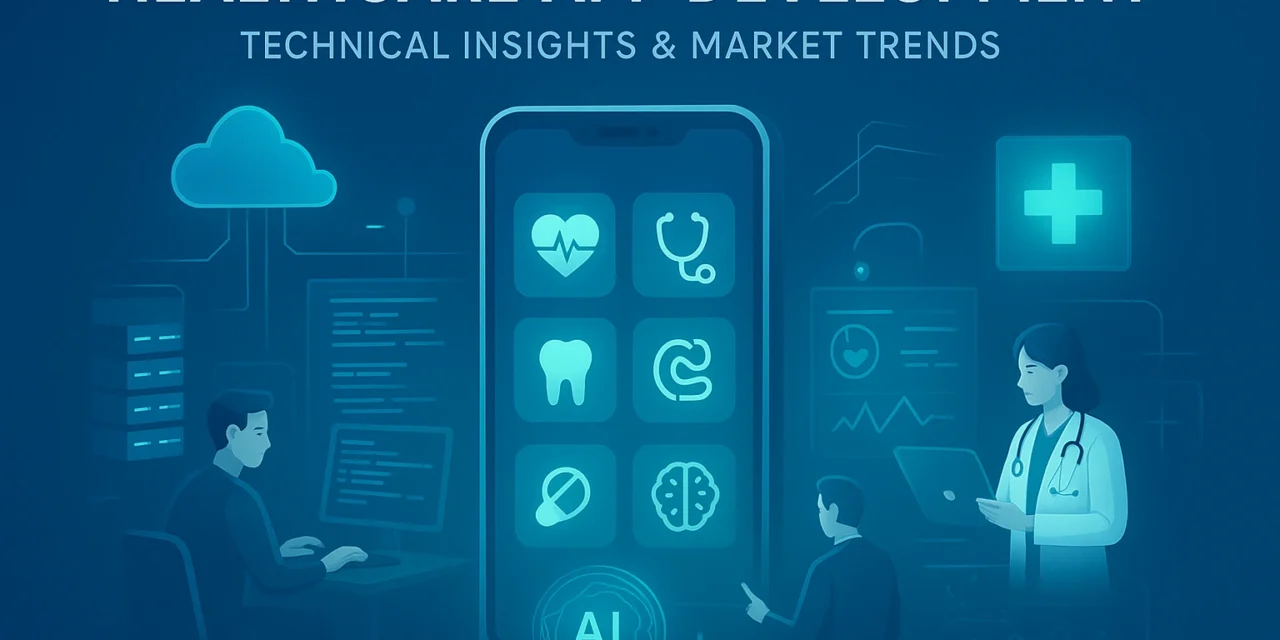
The healthcare app development sector continues to evolve rapidly, driven by advancing mobile technologies, changing patient expectations, and new regulatory requirements. Understanding the technical and business aspects of medical app development is crucial for creating successful healthcare solutions that meet both user needs and industry standards.
Specialized Medical Procedure App Development
Developing applications for specific medical procedures requires deep understanding of clinical workflows, patient education needs, and safety requirements. These apps must balance comprehensive medical information with user-friendly interfaces while maintaining strict accuracy standards.
Surgical procedure apps represent some of the most complex healthcare development projects, requiring collaboration between medical professionals, user experience designers, and regulatory experts. Applications providing information about procedures like wisdom tooth extraction must include accurate medical content, clear visual explanations, and integration capabilities with healthcare provider systems.
Preventive Care App Architecture
Preventive healthcare applications require robust backend systems to manage scheduling, notifications, and health data tracking across large user bases. These platforms must handle complex scheduling algorithms while maintaining real-time synchronization with healthcare provider systems.
Successful preventive care apps excel at creating seamless user experiences that encourage long-term engagement with routine healthcare. Development teams focus on intuitive scheduling interfaces and reliable reminder systems for appointments such as regular dental check up in Singapore sessions, while ensuring data security and HIPAA compliance throughout the application architecture.
Cosmetic Healthcare App Development Challenges
Cosmetic healthcare applications face unique development challenges, including image processing requirements, augmented reality integration, and complex consultation workflows. These apps must provide realistic treatment visualization while maintaining ethical marketing standards.
Advanced cosmetic healthcare apps require sophisticated image processing capabilities and machine learning integration to provide accurate treatment previews. Applications focusing on procedures like teeth whitening Singapore treatments must implement advanced photo analysis algorithms while ensuring user privacy and realistic outcome expectations.
Complex Treatment Management Systems
Healthcare apps managing complex treatments require sophisticated data architectures to track multi-stage procedures, coordinate between healthcare providers, and maintain detailed treatment histories. These systems must integrate with existing healthcare infrastructure while providing intuitive patient interfaces.
Treatment management apps present significant development challenges due to their need for comprehensive data integration and multi-stakeholder coordination. Applications managing procedures such as dental crown in Singapore installations must coordinate between dental laboratories, insurance providers, and patient schedules while maintaining detailed treatment documentation and progress tracking.
Emerging Technologies in Healthcare App Development
The healthcare app development landscape continues to evolve with emerging technologies including artificial intelligence, blockchain integration, and advanced biometric authentication. These technologies offer new possibilities for improving patient care while addressing traditional healthcare challenges.
Healthcare app development requires balancing technical innovation with regulatory compliance, user experience design, and clinical accuracy. Success in this sector depends on understanding both the technological possibilities and the practical constraints of healthcare delivery, creating applications that truly improve patient outcomes while meeting business objectives.