The streaming landscape has fragmented considerably since the early days of one or two dominant services, and most households now juggle several subscriptions simultaneously, each hosting a different slice of the shows and movies people actually want to watch. That fragmentation has made the genuine question of which subscriptions are actually worth keeping considerably more relevant than it used to be, since the combined monthly cost of every major platform now rivals what a traditional cable package once cost. Here are five video streaming apps worth evaluating this year based on what they actually offer relative to their price. Most also offer an ad-supported cheaper tier now, worth genuinely considering if the savings outweigh a handful of interruptions during a show.
Netflix

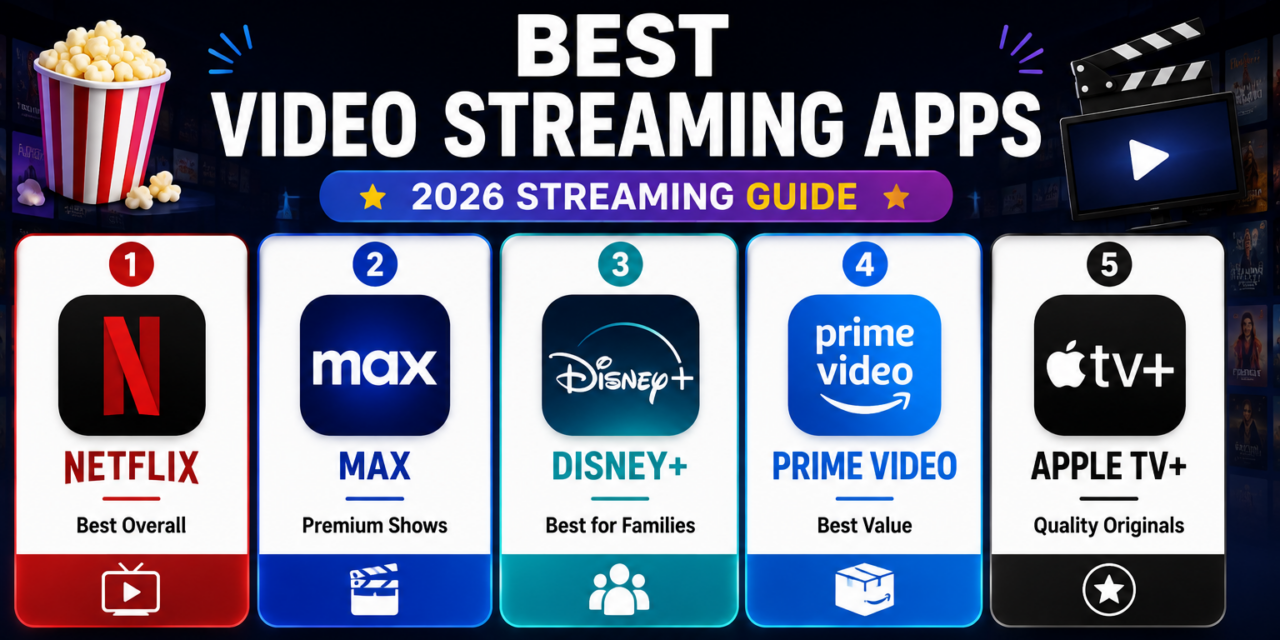
Netflix remains the most comprehensive general-purpose streaming service, with a genuinely enormous library spanning original series, films, and licensed content, making it the hardest of the major platforms to justify cutting entirely for most households.
🔗 Download on Play Store | www.netflix.com
Max
Max combines HBO’s genuinely prestige original programming with Warner Bros. film content, appealing strongly to viewers who prioritize critically acclaimed scripted series over sheer volume of available content.
🔗 Download on Play Store | www.max.com
Disney+
Disney+ holds a genuinely unique position for households with kids or fans of Marvel, Star Wars, and Pixar, offering franchise content that simply isn’t available anywhere else, making it hard to substitute with a competitor.
🔗 Download on Play Store | www.disneyplus.com
Amazon Prime Video
Prime Video comes bundled with an existing Amazon Prime membership, offering genuinely solid value for households already paying for Prime shipping benefits who get streaming content essentially included at no extra cost.
Apple TV+
Apple TV+ offers a genuinely smaller but consistently high-quality original content library, appealing to viewers who prefer a curated selection of well-reviewed shows over browsing through a much larger, more uneven catalog.
The right combination of subscriptions depends heavily on specific viewing habits rather than any single platform being objectively best for everyone. Households with kids or deep franchise loyalty to Marvel or Star Wars will find Disney+ genuinely hard to substitute, while households prioritizing prestige scripted drama get more value from Max than from a broader, less curated library. Amazon Prime Video’s bundled value makes it worth keeping for anyone already paying for Prime shipping regardless of how much they specifically use the video content. It’s worth periodically auditing which services actually got watched in the past month before renewing anything automatically, since subscription fatigue often comes from paying for access rather than genuine ongoing use, and rotating subscriptions on and off based on what’s currently airing can meaningfully cut the total monthly cost without losing access to anything that actually matters. Sharing a household plan with family members, where allowed under a platform’s terms, also spreads that cost across more people watching the same content.
The right number of streaming subscriptions is genuinely the smallest set that covers what a household actually watches regularly, not the largest set that theoretically could offer something interesting. Audit your actual viewing habits honestly every few months, and don’t hesitate to rotate a subscription off during a slow content month and back on when something new worth watching actually arrives. Most platforms make it genuinely painless to cancel and resubscribe later without losing any saved preferences, so there’s rarely a real downside to being deliberate about which subscriptions actually earn their spot each month.